

How to Use Running and Walking Foot Stretches

October 1, 2026

Running and walking stretches for your feet can improve flexibility, reduce feelings of tightness, and prepare your muscles for activity. A short routine should gently move the toes, arches, ankles, calves, and lower legs without forcing pain. Stretch after warming up, hold each position steadily, and stop if symptoms worsen.

Running and walking stretches for your feet

Why are foot stretches helpful for runners and walkers?

Walking and running place repeated demands on the feet. Each step asks the toes, arches, ankles, calves, and connective tissues to absorb force and help propel the body forward. When these areas feel stiff, movement may become less comfortable or efficient.

Regular mobility work may help you:

  • Maintain comfortable range of motion in the toes and ankles
  • Prepare the feet and lower legs for exercise
  • Ease ordinary tightness after a long walk or run
  • Support better balance and natural stride mechanics
  • Notice changes before they become more disruptive

Stretching is not a guaranteed way to prevent every injury. Foot pain can have many causes, including overuse, footwear problems, tendon irritation, stress injuries, or conditions such as plantar fasciitis . Think of stretching as one part of a broader foot-care routine, not a substitute for evaluation.

How should you prepare before stretching?

A few simple habits make foot stretches more comfortable and useful:

  1. Warm up first. Walk easily for five to 10 minutes, or move around until your feet and calves feel warmer.
  2. Choose a stable surface. Use a floor, wall, step, or chair that will not slide. Hold a support when balancing.
  3. Wear comfortable clothing. Bare feet or supportive athletic shoes may work, depending on the exercise and your balance.
  4. Breathe normally. Relaxed breathing helps you avoid bouncing or bracing unnecessarily.
  5. Use gentle tension. You should feel a mild stretch, not sharp, burning, electric, or worsening pain.

Do not stretch aggressively on a cold muscle, immediately after an injury, or through numbness. If you have diabetes, poor circulation, reduced sensation, or a history of foot ulcers, ask your medical provider which activities are appropriate. Our diabetic foot care information can also help you understand why routine monitoring matters.

5 running and walking stretches for your feet

The following sequence takes about five to eight minutes. Move slowly and use a wall or chair for stability. Perform both sides, even if one foot feels tighter.

1. Toe extension stretch

Sit in a chair and place one ankle over the opposite thigh. With one hand, gently draw the toes back until you feel a mild stretch along the sole and arch. Hold for 15 to 30 seconds, relax, and repeat two or three times.

This movement targets the toes and plantar tissues. Keep the ankle relaxed rather than pulling hard. If the bottom of your foot feels sore afterward, reduce the pressure and duration.

2. Toe spread and curl

Place your foot flat on the floor. Slowly lift and spread your toes, then lower them. Next, gently curl the toes without scrunching the entire foot. Complete eight to 12 controlled repetitions.

This is more of a mobility exercise than a traditional held stretch. It helps you become aware of how your toes move and may be useful before walking, especially if your feet feel stiff after sitting.

3. Wall calf stretch with a straight knee

Face a wall and place both hands against it. Step one foot back, keep that heel down, and straighten the back knee. Bend the front knee slightly while leaning forward until you feel a stretch in the upper calf. Hold 20 to 30 seconds and repeat two times per side.

Keep the back foot pointing forward. Turning the toes far outward can change the exercise and may place stress in areas you are not trying to target.

4. Wall calf stretch with a bent knee

Use the same position, but gently bend the back knee while keeping the heel on the floor. Lean forward until you feel the stretch lower in the calf and near the ankle. Hold 20 to 30 seconds and repeat twice on each side.

The straight-knee and bent-knee versions complement each other because they emphasize slightly different parts of the calf complex. Never force the heel down if your ankle or Achilles area is painful.

5. Step heel drop

Stand on the bottom step of a staircase while holding a railing. Place the balls of both feet on the edge and slowly lower one heel toward the floor until you feel a gentle calf stretch. Hold for 15 to 20 seconds, then switch sides.

Use a lower step or skip this option if you feel unsteady. Do not bounce. This exercise is not appropriate during an acute Achilles injury or when a clinician has advised you to avoid loaded stretching.

Calf and foot flexibility exercise

When should you stretch before or after activity?

Before a run or walk, choose easy movement and dynamic mobility rather than long, intense holds. Walk for several minutes, roll through the feet, move the ankles in comfortable circles, and perform a few toe lifts. The goal is to feel prepared, not deeply stretched.

After activity, when the muscles are warm, gentle held stretches may feel more comfortable. A short cool-down walk followed by the calf, toe, and arch exercises above can help you transition out of exercise.

A practical schedule is:

  • Before activity: five to 10 minutes of easy walking plus light mobility
  • After activity: two rounds of comfortable calf and foot stretches
  • On rest days: a brief routine if your feet feel tight, without forcing range
  • During long walks: pause for movement breaks instead of waiting for severe discomfort

Consistency matters more than intensity. Five comfortable minutes several times a week is generally more useful than one aggressive session.

How often should you do foot stretches?

Many healthy adults can try gentle foot and calf mobility daily or several times per week. Begin with one round and observe how your feet respond during the next 24 hours. If you feel more pain, swelling, or stiffness afterward, decrease the intensity or stop.

Your routine should match your activity level. Someone starting a walking program may need gradual conditioning, supportive shoes, and rest days. A frequent runner may benefit from reviewing training volume, surfaces, recovery, and strength work alongside stretching.

Stretching should feel controlled. Avoid bouncing, forcing a joint to its limit, or comparing your flexibility with someone else’s. A comfortable range today may improve gradually with regular practice.

What other habits support comfortable walking and running?

Stretching works best with basic footwear and training habits. Consider these complementary steps:

  • Increase distance and speed gradually instead of making sudden changes.
  • Replace worn athletic shoes and choose a fit that leaves room for the toes.
  • Alternate demanding workouts with easier movement or rest.
  • Pay attention to recurring hotspots, blisters, swelling, or changes in your stride.
  • Add simple lower-leg and foot strengthening when appropriate.

If you need specialized support, learn more about custom molded orthotics . Orthotics are not necessary for everyone, but a podiatry assessment can help determine whether foot mechanics, pressure distribution, or alignment is contributing to discomfort.

When should you stop stretching and seek care?

Stop immediately if stretching causes sharp pain, sudden swelling, bruising, numbness, tingling, weakness, or a popping sensation. You should also seek professional guidance if pain changes the way you walk, returns every time you exercise, or does not improve with rest and sensible activity changes.

Prompt evaluation is especially important after a fall, twist, direct impact, or sudden increase in training. Persistent pain may require an examination and, when appropriate, imaging such as digital X-rays . Do not try to stretch through a suspected fracture or significant tendon injury.

People with diabetes, circulation concerns, nerve changes, inflammatory conditions, or previous foot surgery should use individualized advice rather than copying a general routine. Contact First Choice Ankle & Foot Care Center with questions about a safe plan for your feet.

A simple foot-stretch routine to remember

Running and walking stretches for your feet are most useful when they are gentle, consistent, and paired with a gradual exercise plan. Warm up first, then work through toe mobility, arch stretching, and both straight-knee and bent-knee calf stretches. Use support for balance and never force painful motion. If discomfort persists, affects your stride, or appears with swelling, numbness, or injury, stop stretching and arrange a podiatric evaluation. Start with five comfortable minutes, track how your feet respond, and adjust your routine based on symptoms and professional guidance.

Healthy feet enjoying a cool dip in water during summer.
June 18, 2026
Learn how to manage swelling, prevent fungal infections, and treat blisters with our expert guide to summer foot care. Stay active and pain-free in Shelbyville, KY!

By VIV Builder • April 9, 2026
Stay active and pain-free this Foot Health Awareness Month. Learn about heel pain, orthotics, diabetic foot care, and sports injury treatment options.

By VIV Builder • April 1, 2026
Achilles tendonitis can develop gradually, causing heel pain and stiffness that worsens over time. Learn the warning signs and how a podiatrist can help you get back on your feet.

By VIV Builder • March 5, 2026
Ingrown toenails are a common foot condition that can start as a minor irritation and quickly become painful. Learn more about how we can help with ingrown toenails.
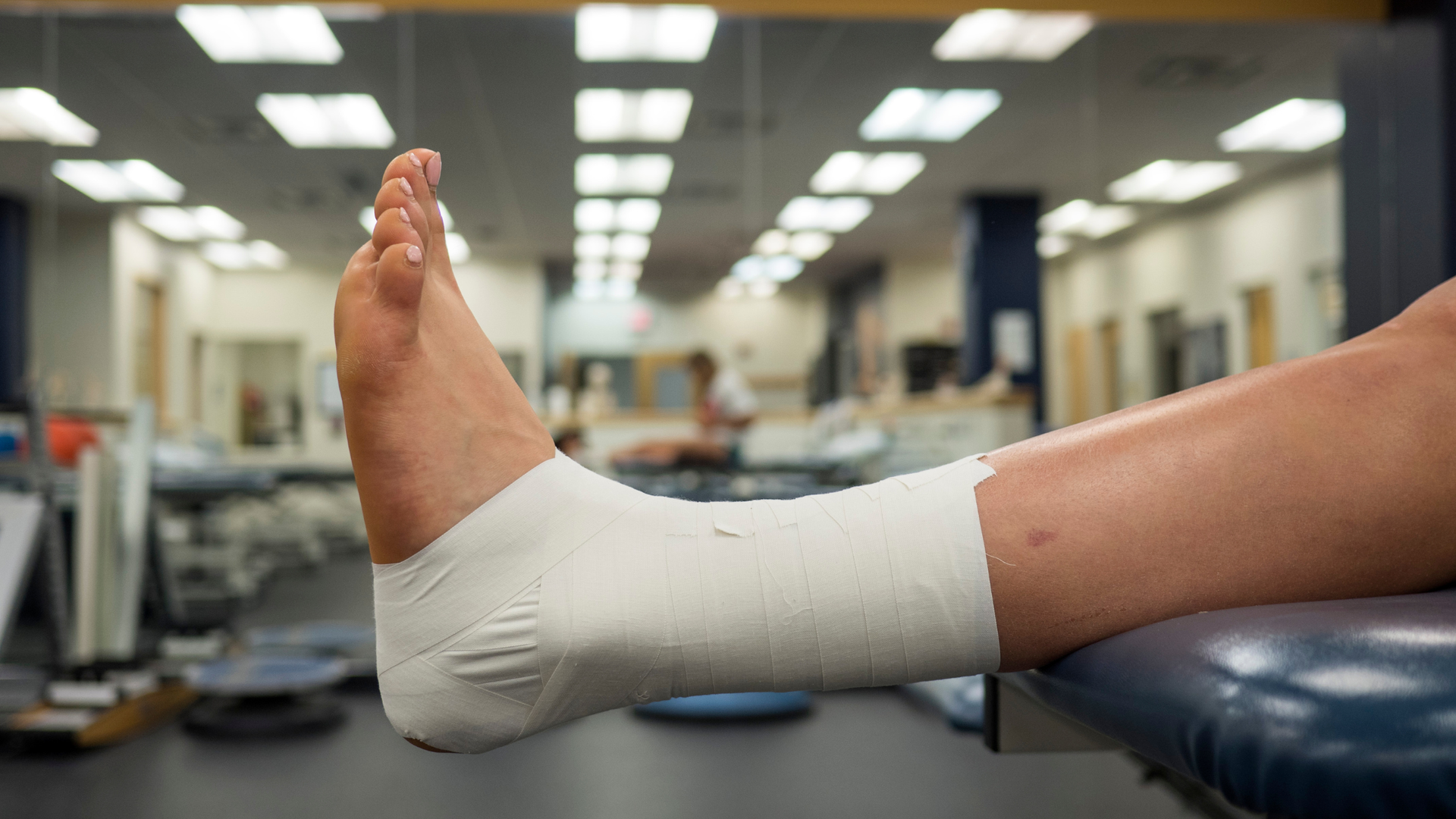
By VIV Builder • February 19, 2026
Ankle sprains are one of the most common foot and ankle injuries, yet they're often brushed off as no big deal. The truth is, even a mild sprain deserves proper care.
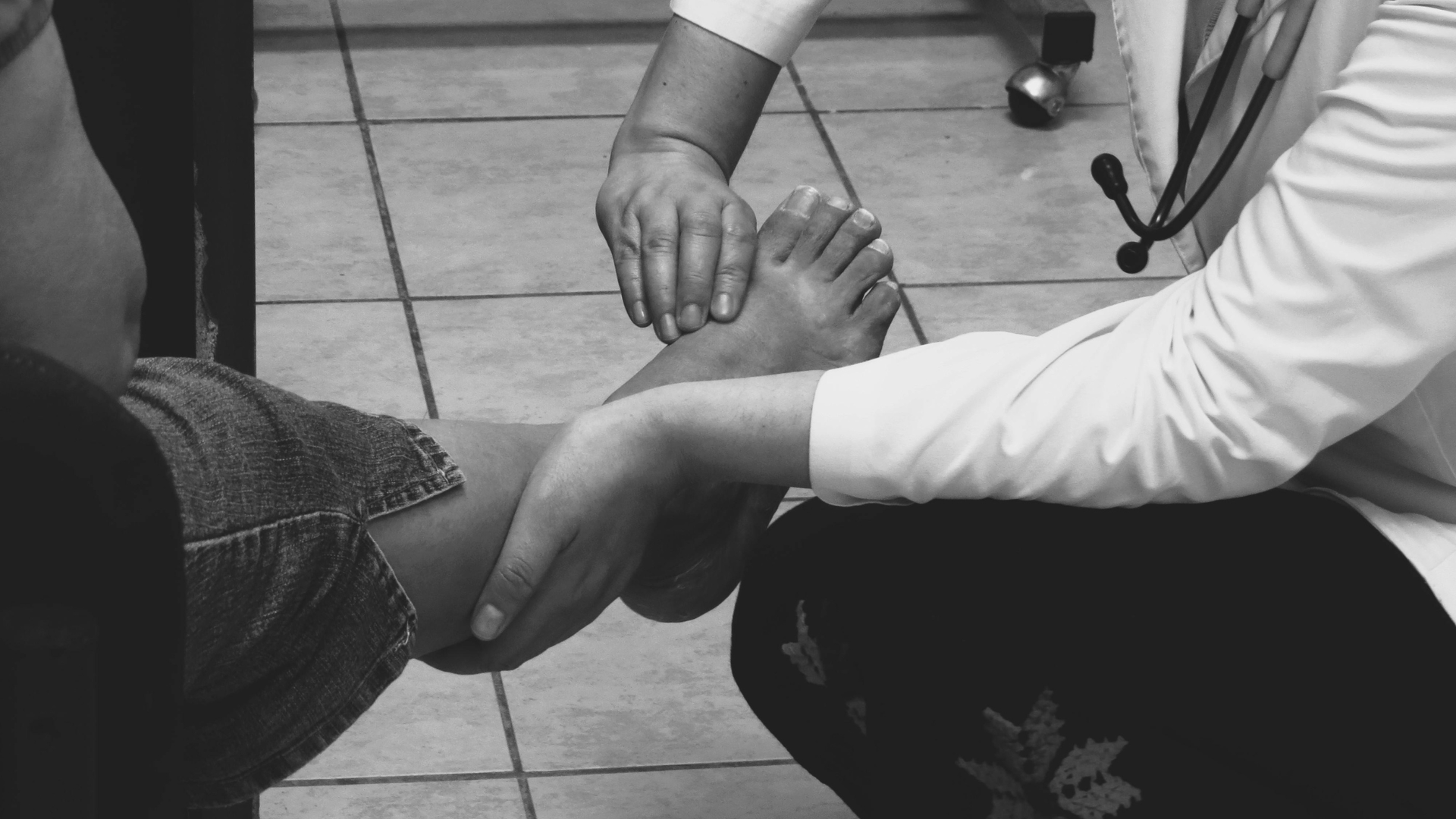
By VIV Builder • February 5, 2026
Show Your Feet Some Love This February

By VIV Builder • January 26, 2026
Understanding Podiatry Many people experience foot or ankle pain at some point, but they are not always sure where to turn for care. A podiatrist is a medical doctor who specializes in diagnosing and treating conditions of the foot and ankle. Their goal is to help patients move comfortably, stay active, and avoid pain that interferes with daily life. Podiatrists receive specialized medical training focused entirely on the feet and ankles. Because these areas support the entire body, even minor issues can have a big impact if left untreated. What Conditions Do Podiatrists Treat? Podiatrists treat a wide range of foot and ankle conditions for patients of all ages. From common concerns like heel pain and ingrown toenails to more complex issues such as sports injuries and diabetic foot conditions, podiatrists are trained to handle both routine and advanced care. They also address structural problems, skin and nail conditions, and injuries that affect mobility. By identifying the root cause of foot or ankle pain, podiatrists help patients find long-term relief rather than temporary fixes. When Should You See a Podiatrist? Foot pain is not something you have to live with. If you notice ongoing discomfort, changes in how you walk, or issues with your toenails or skin, it may be time to see a podiatrist. Early care can help prevent small problems from becoming more serious and can reduce recovery time. Patients with diabetes should also see a podiatrist regularly to help prevent complications and maintain foot health. What to Expect During Your Visit During a podiatry appointment, your provider will take time to understand your symptoms and lifestyle. They will examine your feet and ankles and may recommend imaging or other tests if needed. Based on their findings, they will create a personalized treatment plan tailored to your needs. Many podiatry treatments can be done in the office, allowing patients to return to normal activities quickly. Why Foot Health Matters Your feet play a major role in your overall health. Ongoing foot or ankle pain can lead to posture changes and strain on the knees, hips, and lower back. Proper foot care helps keep your entire body moving the way it should. Seeing a podiatrist is an important step in maintaining mobility and preventing future problems. Take the Next Step Toward Better Foot Health If foot or ankle pain is affecting your daily life, a podiatrist can help. With the right care and treatment, many conditions can be managed or resolved. Scheduling an appointment with a podiatrist is a simple step that can make a lasting difference in your comfort and mobility.
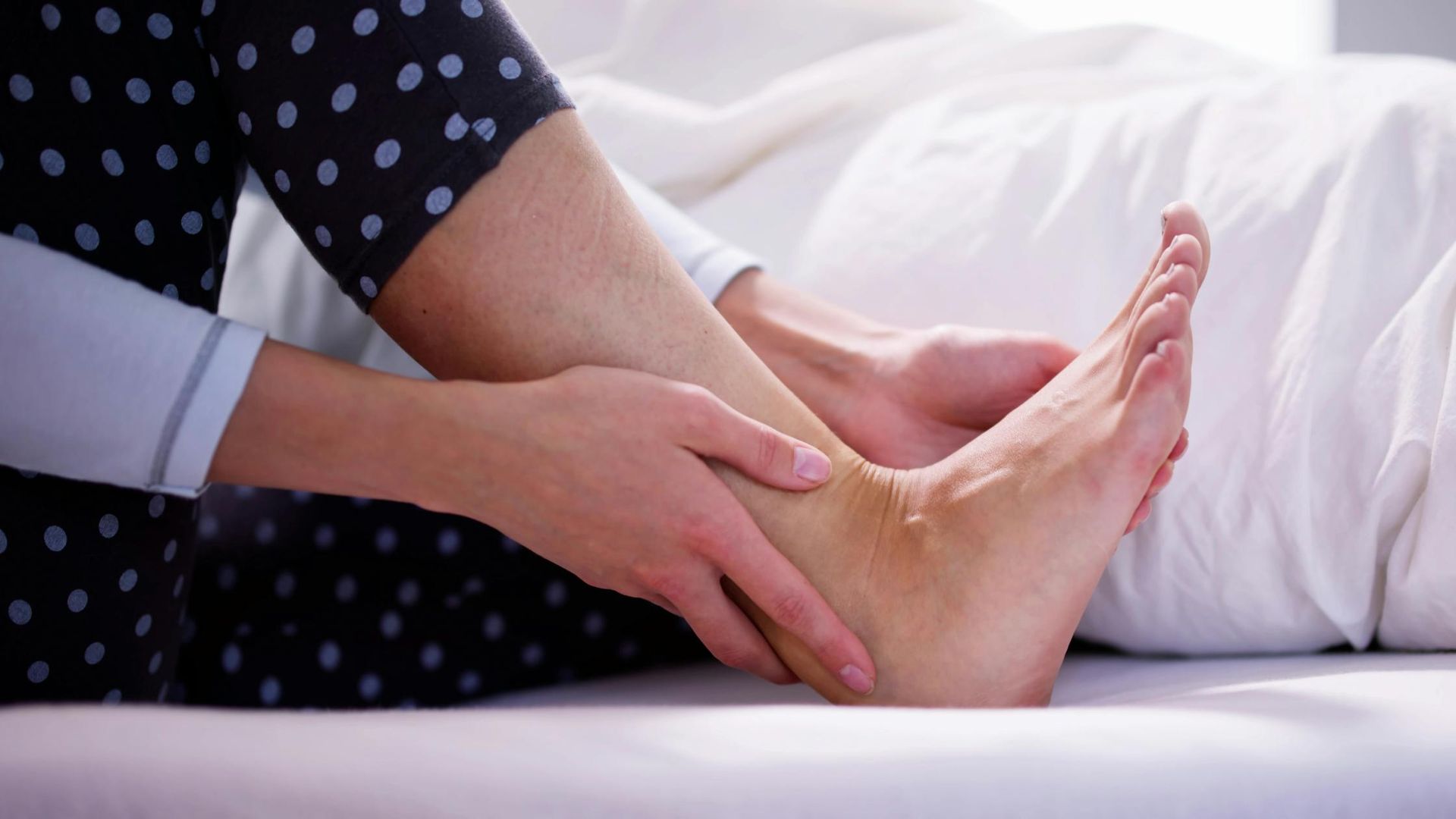
By VIV Builder • January 12, 2026
A New Year Shouldn’t Start With Pain The beginning of a new year often comes with fresh goals—being more active, feeling healthier, and getting back to routines you enjoy. But heel pain can quickly get in the way. When every step hurts, even small tasks can feel frustrating. Heel pain is one of the most common foot issues treated by podiatrists. Many people try to ignore it or hope it will go away on its own, but without proper care, heel pain often lingers or gets worse over time. Why Heel Pain Happens Heel pain can develop for several reasons, and it often builds gradually. One of the most common causes is plantar fasciitis, which occurs when the tissue supporting the arch of the foot becomes inflamed. Other causes may include strain on the Achilles tendon, wearing shoes without proper support, or spending long hours on your feet. Pain is often most noticeable in the morning or after long periods of rest. While it may ease as you move around, it tends to return and can worsen without treatment. Common Conditions Linked to Heel Pain While heel pain feels similar for many people, the underlying cause can vary. Some of the most common conditions include: Plantar fasciitis Heel spurs Achilles tendon irritation Overuse or repetitive strain injuries Identifying the exact cause is key to getting the right treatment and long-term relief. Why Early Treatment Matters Ignoring heel pain can lead to changes in the way you walk. Over time, this can place added stress on your ankles, knees, hips, and lower back. What starts as foot pain can turn into discomfort throughout your body. Seeing a podiatrist early can help prevent these issues and reduce recovery time. Most heel pain can be treated without surgery when addressed promptly. How a Podiatrist Can Help A podiatrist specializes in foot and ankle care and can create a treatment plan tailored to your needs. Treatment may include stretching exercises, custom orthotics, footwear guidance, or other therapies designed to reduce pain and inflammation. With the right approach, many patients begin to feel relief and regain mobility. Step Into the New Year With Confidence Heel pain does not have to define your year. With proper care and treatment, you can move more comfortably and get back to doing the things you enjoy. If heel pain is holding you back, schedule a visit with a podiatrist and take the first step toward a healthier, pain-free new year.

December 18, 2025
A new year is the perfect time to focus on your health—starting from the ground up. As we head into 2026, taking care of your feet can help you stay active, comfortable, and ready for everything the year brings.  Why Foot Health Matters in the New Year Healthy feet support your overall mobility and daily comfort. Common foot problems can make walking, standing, and even simple activities difficult. Early care can prevent small issues from becoming bigger ones. You may benefit from a podiatry visit if you have: Heel or arch pain Flat feet or high arches Foot or ankle injuries Toenail problems Corns, calluses, or skin issues Pain that keeps coming back How We Help You Start the Year Strong Our podiatry team provides: Comprehensive Foot Exams to identify pain or concerns Treatment Plans for chronic or sudden foot issues Custom Orthotics for support and alignment Footwear Guidance to reduce discomfort and improve stability Preventive Care to keep your feet healthy long-term Start 2026 With Healthy, Pain-Free Feet Make this the year you put your foot health first. Schedule an appointment today to address any concerns and step into 2026 with confidence, comfort, and support.
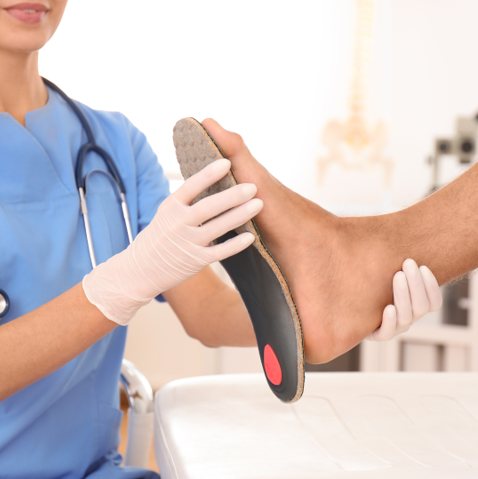
December 4, 2025
December is the season of giving, and there’s no better gift than comfort. If you’re looking for something meaningful, helpful, and long-lasting, custom orthotics are a great choice. They support the feet, improve balance, and make everyday activities easier and more comfortable. Why Orthotics Make a Great Gift Many people struggle with foot pain, tired feet, or discomfort when walking or standing. Custom orthotics can help by: Reducing foot, heel, and arch pain Providing better alignment and support Improving comfort during work, exercise, and daily routines Helping prevent future foot problems They are a thoughtful gift for anyone—especially those who stay on their feet all day, enjoy being active, or dealing with ongoing foot issues. How Our Team Can Help Our podiatry team offers: Custom Orthotic Fittings tailored to your foot shape and needs Foot Evaluations to identify pain points and pressure areas Supportive Shoe Recommendations for everyday comfort Ongoing Care for long-term foot health Give Comfort This Christmas If you’re searching for a gift that truly helps someone feel better, custom orthotics are a smart and meaningful choice. Contact our office to schedule an appointment or learn more about how orthotics can bring comfort all year long.

Show More